Google’s search results are changing quickly because of AI Overviews, new SERP features, and regular algorithm updates. Because of this, SEO agencies can no longer focus only on keyword rankings. A modern SEO strategy must improve technical health, page quality, brand trust, and readiness for answer-led search.
The old SEO model usually focused on three areas: technical SEO, on-page SEO, and off-page SEO. Those areas still matter, but they are no longer enough on their own. AI Overviews, GEO, and AEO now require content that is clear, well-structured, trustworthy, and useful enough to answer real search questions.
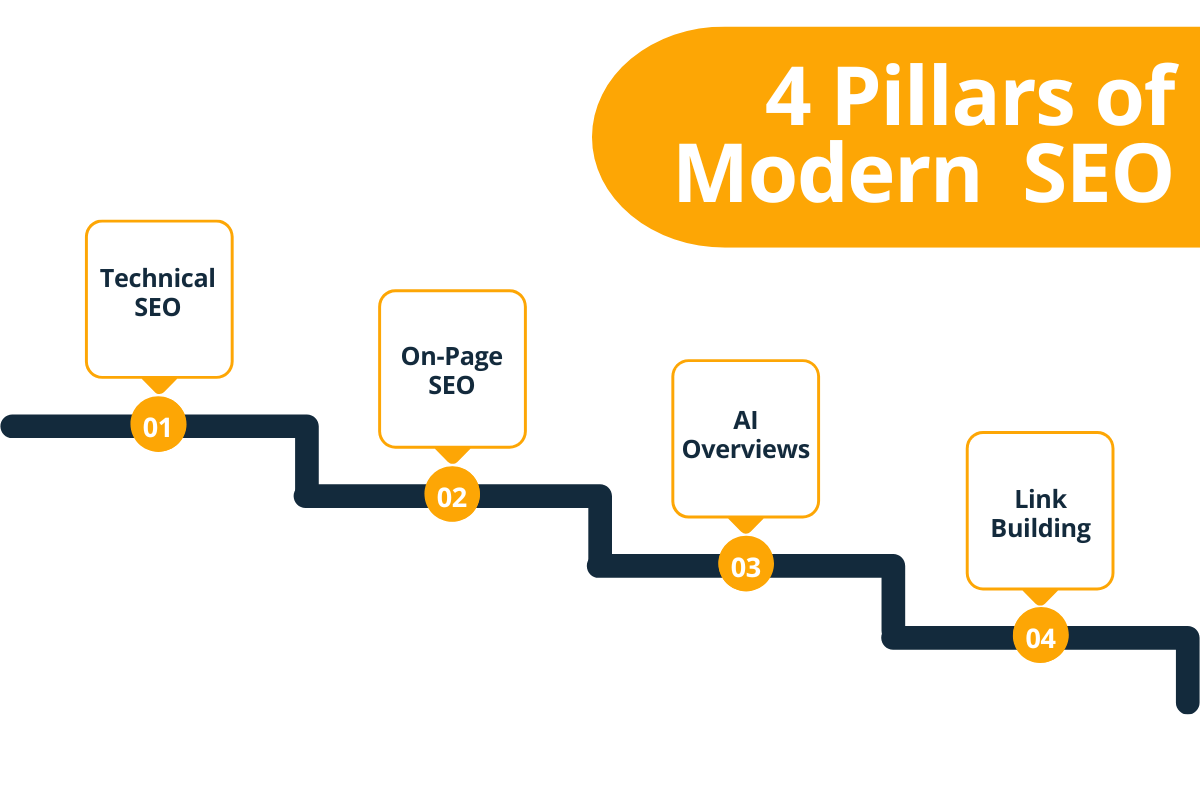
That is why we use a 4-pillar model for modern SEO. It keeps the traditional SEO foundation but adds a new layer for AI Overviews and GEO. Also, search engines want to recommend businesses that show real expertise within their industry.
The 4 Pillars of SEO Success
Every website has different needs, but below balance gives a strong starting point for a smart SEO plan. Decide your priorities in mind, let’s dive deeper into each core pillar and its significance within an effective SEO strategy.
Technical SEO Pillar
Build a Website Google Can Access, and Users Can Actually Trust
Technical SEO is the part of SEO that protects your website from hidden problems. A website may have strong content, but if Google cannot crawl it, index it, load it, or understand it, the content will struggle.
Technical SEO should not be treated as a one-time setup. Why?
- Because of the theme update, including plugins and ongoing development changes.
- Because SEO work often involves website changes, such as design updates, redirects, page edits, plugin updates, and content changes. Each change can create new technical issues if it is not checked properly.
These changes can cause many new tech issues. The question is: how to check for regular technical issues?
Do regular SEO audit and here is a list of technical tools you can watch out for:
1. Google Search Console:
When you finish setting up the search console, it’s the first place to check because it shows how Google is reading your website. You may see an email from Google after setup to take required actions. i.e.
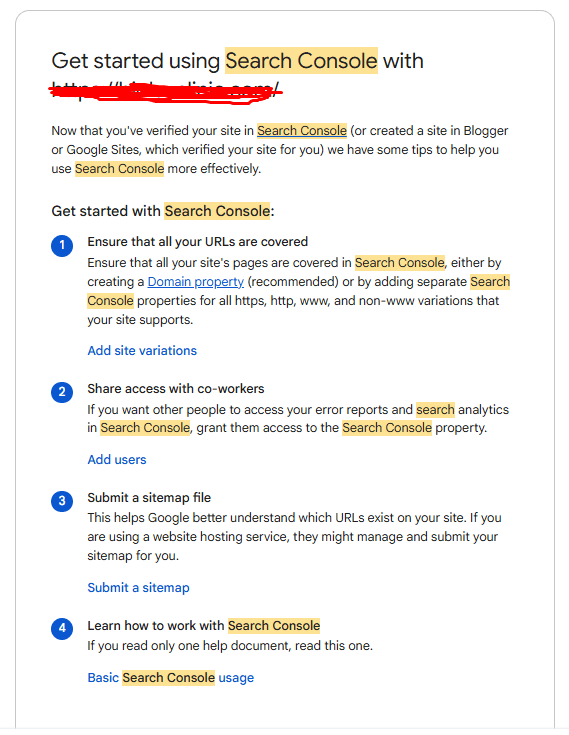
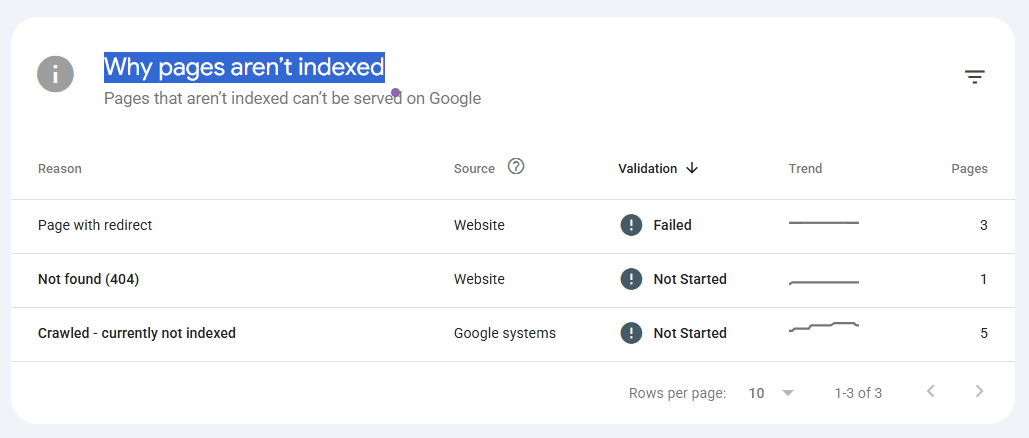
Use it to review indexing issues, crawl errors, sitemap status, search performance, manual actions, and Core Web Vitals warnings. The main things to watch are pages that are crawled but not indexed, sudden drops in clicks and impressions, mobile usability problems, sitemap errors, and important URLs that Google is not discovering properly.
Here you can find out “Why pages aren’t indexed”:
2. Page Speed Insights:
This tool is designed for developers to check and improve speed, but you can also use it for your clients.
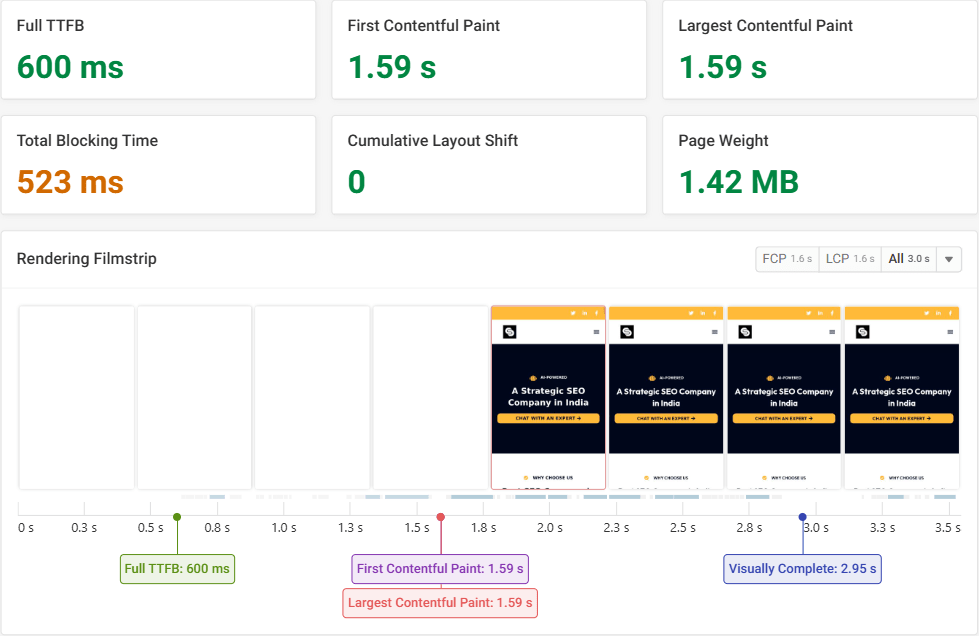
It shows Core Web Vitals data such as LCP, INP, and CLS, along with page speed suggestions. When reviewing this tool, we mainly look for slow-loading elements, heavy images, render-blocking files, poor mobile performance, and anything that makes the page feel delayed or unstable.
3. Screaming Frog:
If you are doing SEO for a small business, then use this tool for free site issues checkups. Screaming frog deeply help find broken links, redirect chains, missing headings, duplicate page titles, canonical tag issues, and different status code problems.
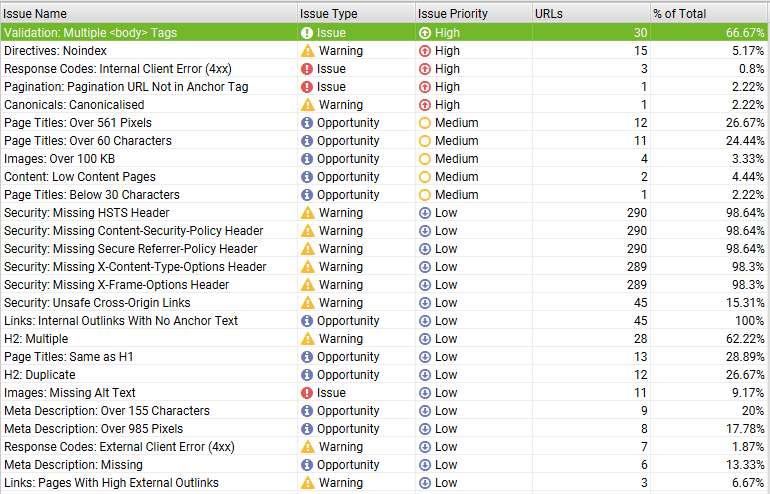
Their paid version is helpful, especially for larger websites where checking every page manually would take too much time.
4. SE Ranking, SEMrush, or Ahrefs Site Audit:
All 3 tools like by almost every SEO expert and give a wider overview of technical and on-page issues. These tools are helpful for spotting high-priority errors, crawlability problems, duplicate content, broken internal links, and pages that may need urgent attention.
They are not a replacement for expert review, but they help organize the issues so the most important fixes can be handled first.
5. Rich Results Test:
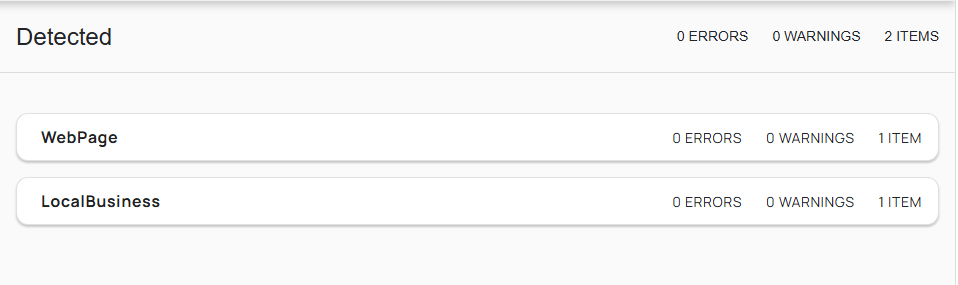
This tool will help you find out if your schema code actually qualifies for Google rich results. It helps identify missing fields, invalid markup, and schema errors that may stop Google from reading the structured data properly.
6. Schema Markup Validator:
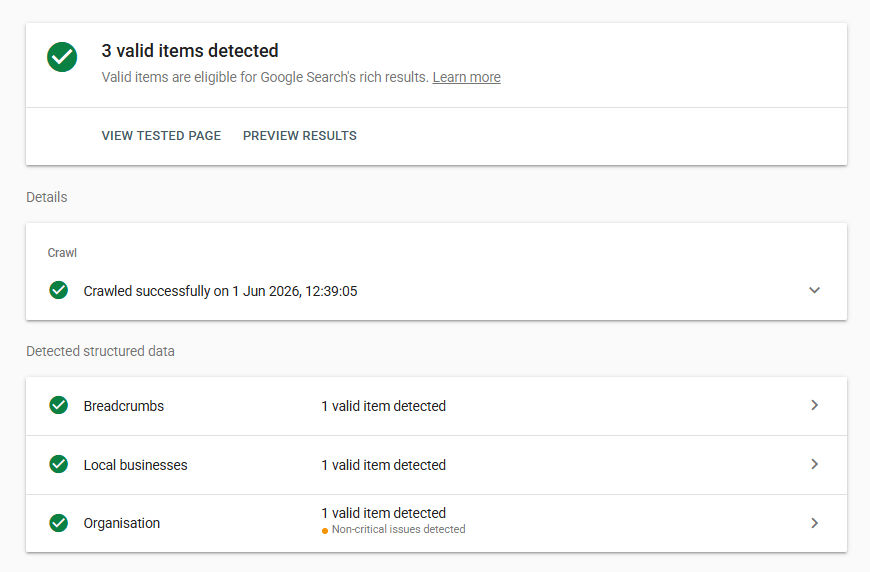
While the Rich Results Test focuses on Google-supported rich results, this validator helps review the overall schema setup code. We use it to catch syntax mistakes, incorrect schema structure, and markup that does not clearly match the page content.
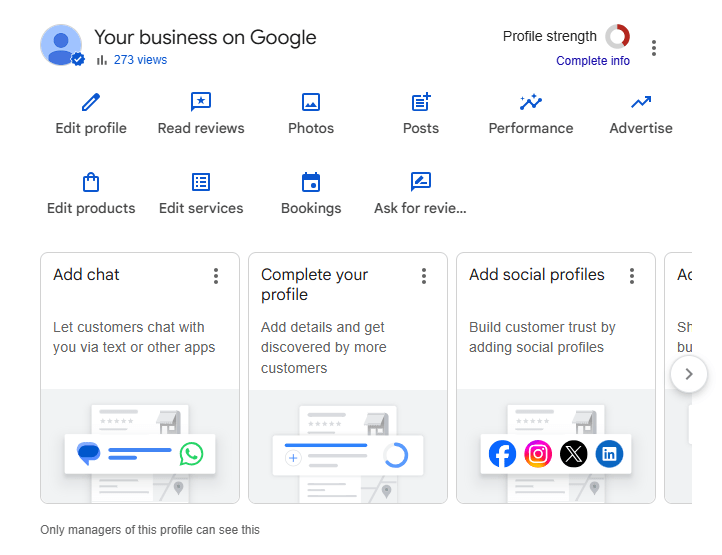
7. Google Business Profile and Bing Places:
Both are important for local SEO checks. These platforms help confirm whether the business information is accurate and consistent across search engines. The main details to review are the business name, address, phone number, opening hours, services, categories, photos, and customer reviews.
On-Page SEO Pillar
Make Each Page Useful Enough to Answer the Searcher’s Need
On-page SEO is not just about adding keywords to a page. This pillar defines your business and process of making a page useful, understandable, and strong enough to satisfy the reason behind the search. Google’s helpful content guidance asks creators to focus on people-first content that gives users original value, depth, and a satisfying answer.
Google tracks engagement metrics such as clicks, impressions, time on page, scroll depth, and whether visitors return to search after visiting your page; these signals help Google judge a page’s usefulness and relevance over time.
A page should answer the visitor’s real question, guide them to the next step, and show why the business deserves trust. If the page only repeats the keyword and gives surface-level information, it may be optimized in appearance but weak in value.
Here is how depth should look by page level:
What to Review | What to Check Carefully |
1. Search intent match | Does the page match what the searcher actually wants: information, comparison, local service, price guidance, or action? |
2. H1 clarity | Does the main heading explain the page in one clear sentence without sounding vague or stuffed with keywords? |
3. Meta title | Does the title include the main topic, business value, and a reason to click within a natural length? |
4. Meta description | Does it explain the page benefit in human language, not just repeat keywords? |
5. First screen value | Can a visitor understand the offer, location, service, or answer without scrolling too far? |
6. Heading flow | Do H2 and H3 headings move the reader through useful points, or are they just keyword variations? |
7. Content depth | Does each section give specific information, examples, steps, proof, or guidance instead of generic statements? |
8. Internal links | Are related service pages, blogs, case studies, and contact pages linked naturally? |
9. Visual support | Do images, screenshots, diagrams, or videos make the topic easier to understand? |
10. Conversion path | Is there a clear next step, such as calling, booking, requesting a quote, or reading a related guide? |
Word Count Vs Depth: What “Helpful Content” Really Means
Page Type | What Weak Content Looks Like | What Real Depth Looks Like |
Homepage | General claims like “we help businesses grow online.” | Clear service positioning, who the business helps, proof points, process summary, trust signals, and next steps. |
Service Page | A short explanation of the service with a contact button. | Problems solved, what is included, process, timelines, FAQs, proof, industries served, and conversion guidance. |
Blog Post | Basic definitions and repeated advice already found everywhere. | Original explanation, examples, checklists, mistakes, comparisons, practical steps, and expert point of view. |
Location Page | City name repeated many times with thin service text. | Local service details, area-specific trust signals, local FAQs, nearby proof, and clear contact information. |
Product or Category Page | Product list with little guidance. | Buying advice, filters, comparisons, specifications, use cases, reviews, and internal links to related options. |
Off-Page SEO Pillar
Off-page SEO is the trust that not every backlink can build. To earn respect in Google algorithms, we need to work on quality backlinks, reviews, brand mentions, citations, directory listings, guest features, partnerships, and local reputation.
The mistake many businesses make is treating off-page SEO as link quantity. A backlink from a relevant and trustworthy website can help, but random links from a low-quality site can be useless or risky. The goal is not to collect links. The goal is to build a diversified portfolio of signals.
5 Link Building Methods That Actually Work
Guest Posting on Relevant Websites:
What most SEO agencies do is just outreach in bulk and find low-level guest post sites and place a link. This is indirectly the PBN signals. Actually, we need to only outreach related to your industry, city, niche, or audience.
For example, if you are doing SEO for a dental clinic, then a guest article on a health, dental, or local business website makes more sense than posting on a random general blog.
The point is not just to get a backlink. The article should also show your knowledge and send the right type of visitors back to your website.
Digital PR and Journalist Requests:
Do deep down research and find journalists, bloggers, and publishers who look for expert content contributions for their websites. If your business can give a helpful answer, quote, statistic, or professional opinion, you may earn a mention or backlink from a strong website.
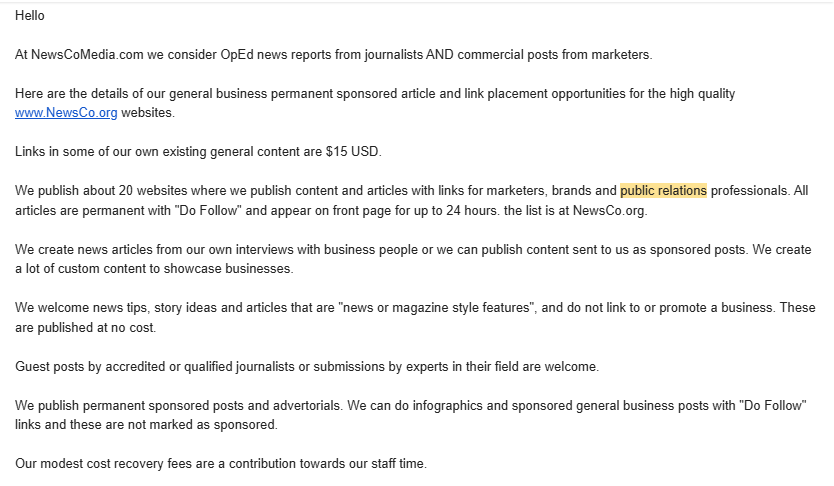
This is useful because these links usually come from trusted publications. It takes more effort than normal link building, but the quality is often much better.
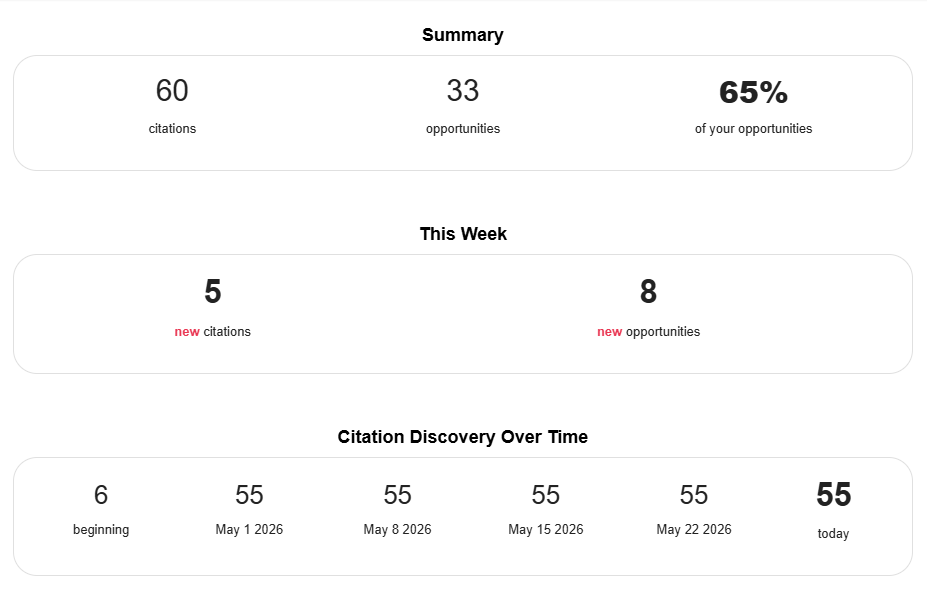
Local Directories and Citations:
If you are working on SEO for a local business, then local directories are usually one of the first off-page areas to build backlinks. You just need to make sure that the business name, address, phone number, website, services, and opening hours are listed correctly on listing platforms.
Resource Page Outreach:
Many websites have pages where they list useful tools, guides, companies, or resources for their readers. If your website has a genuinely helpful guide, checklist, calculator, case study, or service resource, you can contact those websites and suggest it for inclusion. This method only works when your content actually adds value. If the page is thin or promotional, most website owners will ignore it.
Partner, Supplier, and Client Mentions:
This is one of the most natural link building methods because it comes from real business relationships. If you work with suppliers, partners, associations, event organizers, software providers, or clients, check whether they have a page where they mention partners, vendors, case studies, or trusted companies.
A simple brand mention or link from a real business connection can be more valuable than many low-quality links from unrelated websites.
The simple rule is this: if the link would still make sense even without SEO, it is usually a better link. A good backlink should support trust, relevance, and real visibility, not just increase the number of links in a report.
AI Overviews & GEO Pillar
Prepare Your Content for the Way Search Is Moving
AI Overviews and GEO are the newest parts of the SEO Pillars. This does not replace traditional SEO. It adds a new layer to it. Generative Engine Optimization (GEO) help you make sure that AI tools like ChatGPT, Claude, Perplexity and Google’s AI Overviews mention your brand when your audience ask for recommendations.
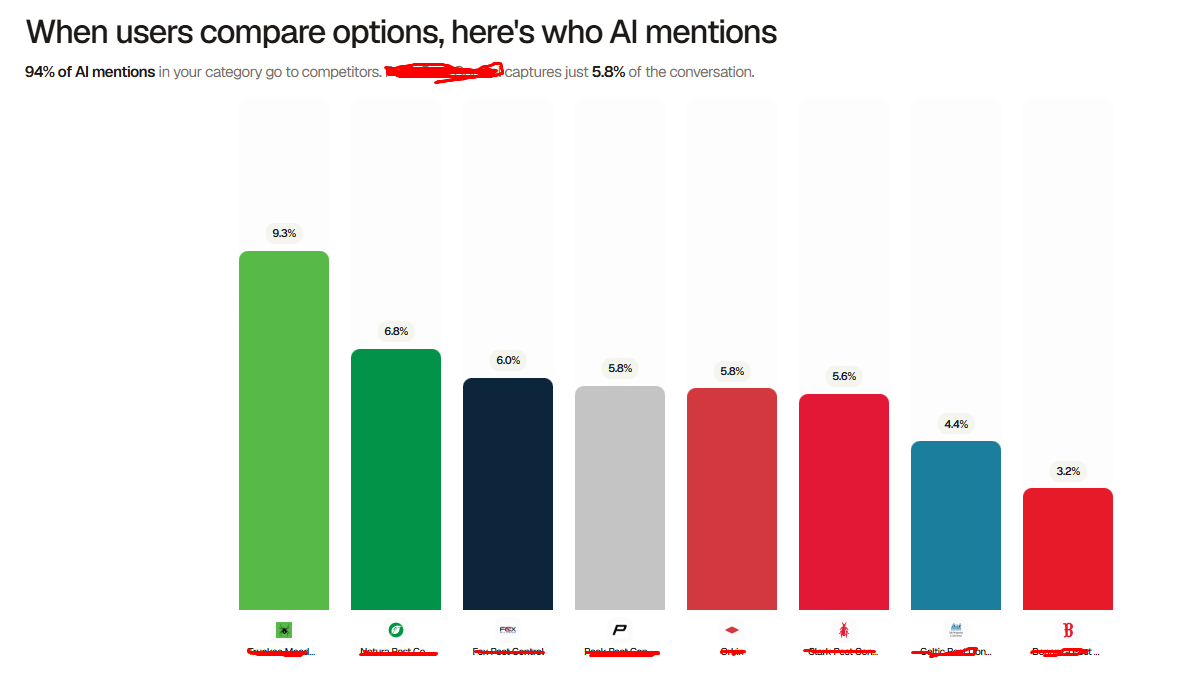
This trend you can’t ignore in modern SEO strategy.
Google explains that AI Overviews and AI Mode can show relevant links and help users explore complex questions, and that the same core SEO practices still apply: crawlable content, internal links, good page experience, useful text content, helpful images or videos, accurate structured data, and updated business information.
There is no single shortcut for AI Overview visibility.
5 Content Rules That Improve AI Overview Chances
Rule | How to Apply It |
1. Start important sections with a direct answer. | If the heading asks “How long does SEO take?”, answer it in the first sentence before adding context. |
2. Add original examples, not only definitions. | Explain what a weak title looks like, what a better one looks like, or how a real service page should be improved. |
3. Build topic clusters, not isolated blogs. | Connect service pages, guides, FAQs, case studies, and location pages around the same core topic. |
4. Make entities clear. | Clearly connect the brand, services, locations, team, authors, reviews, and case studies across the site. |
5. Use structured data only when it matches visible content. | Schema should describe what users can actually see on the page. Google also says structured data should match the visible content. |
GEO: Entity-Building Checklist
GEO stands for Generative Engine Optimization. Now Google has started understanding your website as a clear entity, not just a random website section designed for ranking keywords.
Here is how you can improve your website entities:
- Organization or LocalBusiness schema
- Service schema where suitable
- FAQ schema where suitable. Note: Google has reduced FAQ rich result visibility for most websites, but well-written FAQs can still help users and may support answer engines when they match visible page content.
- Google Business Profile
- Consistent NAP details
- Author and team pages
- sameAs profile links
- Case studies and proof pages
- Wikipedia or Wikidata mentions
- Recent publications
AEO: Sample Answer-First Format
AEO means Answer Engine Optimization. It is about answering real user questions clearly enough that the reader does not need to search again immediately. Google is focused on long queries, and its new intelligent Search box is designed to answer longer, more complex human questions.
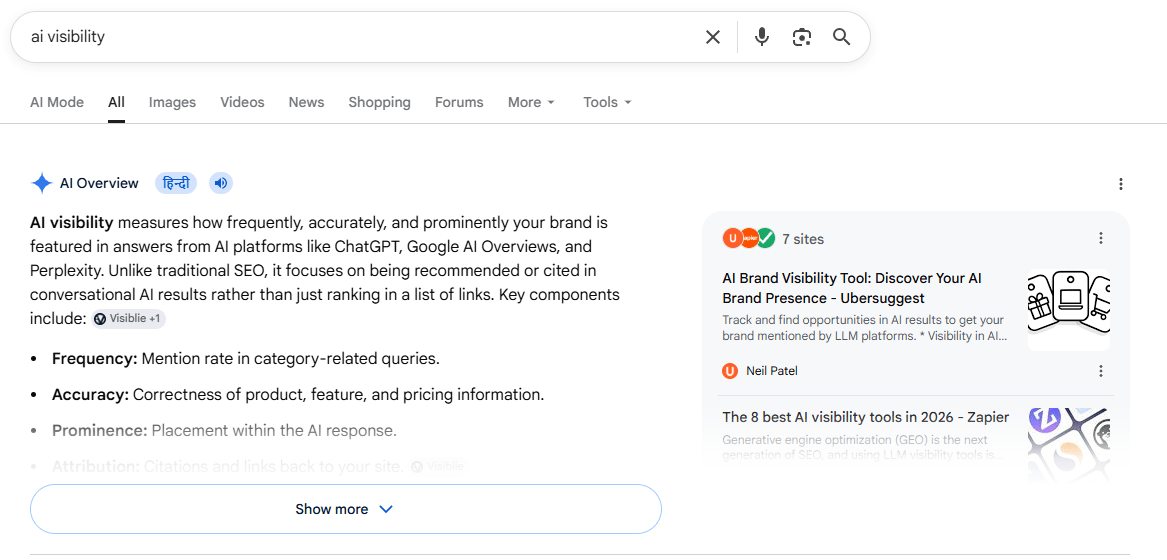
A good AEO is not about adding many FAQs. It is about answering the questions that affect decisions.
Here is a weak FAQ answer:
How long does SEO take?
SEO takes time and depends on many factors. Contact us for SEO services.
Here is a stronger answer-first version:
How long does SEO take to show results?
Most SEO campaigns need 3 to 6 months to show meaningful movement, but the timeline depends on website condition, competition, content quality, technical issues, and authority. A website with indexing problems may need technical fixes first, while a website with strong technical health may grow faster through content and authority building.
How to Decide Which Pillar to Work on First
Every website needs a different starting point in SEO based on the following questions:
- Is the website new to SEO?
- Does the website have an SEO background?
- Is the client not getting leads?
- Has website traffic suddenly dropped after the update?
But as the standard SEO process starts here:
- Technical SEO
- On-page SEO
- AI Overviews and GEO
- Off-page SEO
Final Thoughts
The right balance of SEO is now depending on 4 pillars as we discussed above. Modern SEO can work best when all four pillars support each other.
If your current SEO strategy is only focused on the first 3 pillars, it is time to rebuild it around the full balance of modern search.
Want to know which part of your SEO pillar needs the most attention right now? We offer a free SEO audit that looks at all 4 areas and tells you exactly where to start.